Cometeer Uses Tastings and Creators to Introduce Consumers to Frozen Coffee
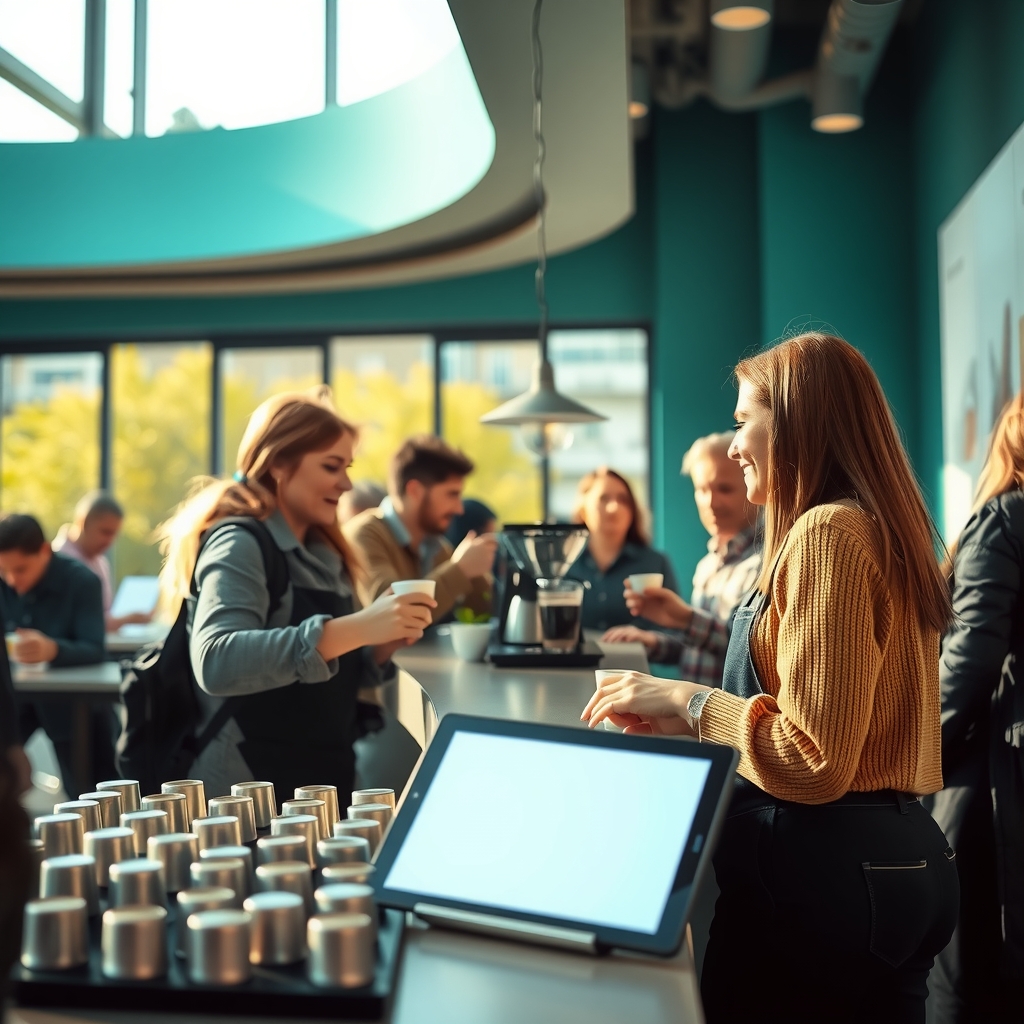
Cometeer’s marketing challenge begins with a product that runs against a familiar coffee belief: that freshly brewed is best. The Massachusetts-based company works with specialty roasters, brews their coffee into a concentrate and flash-freezes it in aluminum capsules. Customers melt a capsule into hot water or milk, or use it for an iced drink, without needing a grinder or brewing equipment.
That convenience is easy to explain once people know what the product is. Getting them to try a frozen coffee format—and trust its quality and premium price—is harder. Cometeer has addressed the gap with a mix of sampling, expert-led education, creator recommendations and participatory tasting experiences. Rather than relying on a single message about the technology, the company has sought to let consumers taste the coffee and see how it fits into their routines.
Sampling makes an unfamiliar format tangible
In September 2022, Cometeer staged a pop-up outside Goldman Sachs’ New York headquarters after the bank reportedly removed complimentary cold brew from its offices. The team organized the activation in about 16 hours and brought capsules, oat milk and supplies to serve roughly 100 employees, according to an account of the event by Inc. The response linked a timely workplace frustration to a direct product introduction: people could try the coffee rather than simply hear a pitch for it.
The company later brought sampling into more structured retail and research settings. In 2023, it worked with coffee expert James Hoffmann on the Great American Coffee Taste Test. Some 5,000 consumers tried four coffees and recorded their preferences. Cometeer said that only 55% of participants’ stated roast preferences aligned with their blind-tasting choices. The result supported a broader invitation to experiment, rather than assuming that a person’s usual roast label accurately described what they would enjoy.
Cometeer also used mall kiosks to offer coffee tailored to visitors’ preferences. Brand manager Olivia Laskowski described the approach in an Above the Fold YouTube interview: staff served a complimentary drink, demonstrated the frozen capsules and explained the process while introducing a kiosk-specific subscription offer. Laskowski called kiosks the company’s strongest acquisition channel at the time of the interview. The format brought trial, explanation and a purchase opportunity together in one interaction.
Expertise becomes part of the offer
Cometeer’s partnerships have served different roles in making specialty coffee more approachable. A February 2024 collaboration with Seth Rogen and Evan Goldberg’s lifestyle brand Houseplant introduced two roasts, Bean There Done That and Get Roasted. Rogen told Food & Wine that the team sampled multiple coffees before choosing the final selections. The collaboration connected Cometeer with Houseplant’s audience while involving its founders in product selection.
In August 2025, Cometeer launched the James Hoffmann Discovery Kit, a collection of 16 capsules representing eight coffees. The selections were intended to introduce different flavor profiles, roast styles and origins, and included coffees from Onyx Coffee Lab, Intelligentsia, Proud Mary, Black & White and George Howell. Hoffmann also made tasting videos explaining preparation, origins and flavor characteristics. That turns creator expertise into a practical part of the product experience: customers can taste along and learn how to compare what they like.
A collaboration with Black & White Roasters similarly paired coffee with explanation. In a video, the teams discussed sourcing, roasting and flavor, with director of roasting Matt Ferraro explaining how the format could make specialty coffees easier to enjoy without the customer having to manage brewing variables. Across these partnerships, Cometeer has drawn on cultural familiarity, coffee expertise and roaster knowledge rather than treating every creator relationship as a simple endorsement.
Creators show how the capsules fit daily life
Everyday creators provide a different kind of demonstration. In an interview on the Subscription Scaled podcast, co-founder Matthew Roberts described testing multiple creators, then deepening relationships with those whose work performed well. He discussed paid placements and revenue-sharing arrangements, as well as adapting the product’s appeal to different audiences: convenience for fitness creators, recipes for food creators and flavor or preparation for coffee enthusiasts.
Creator content has shown capsules used in iced lattes and morning routines, including by people who do not own a coffee machine. One creator said he had used Cometeer for six months before accepting a paid partnership, then demonstrated his usual iced latte with milk and honey syrup. Other videos have come from people describing the product without a sponsorship. These examples help make the format legible in ordinary settings, though they do not erase objections around price, freezer space or consumers’ preference for grinding beans themselves.
An analysis using HypeAuditor identified 55 Instagram mentions from 44 creators, 37 of which were classified as organic. The creators included family, lifestyle, baking and food accounts, not only specialty-coffee voices. In one paid partnership, @_joytothefood_ used Cometeer in a chocolate chunk protein muffin recipe, pairing the product with content her audience already followed.
Discovery extends beyond the first cup
Cometeer’s 2026 World Mug Collection made tasting a group of coffees into a tournament. The limited-edition set contained 32 capsules: two each of 16 coffees from 16 countries. Customers could compare coffees head to head, record preferences in the Cometeer app and select a winner. In a LinkedIn announcement, Roberts said the team had tasted more than 500 single-origin coffees while developing the collection. The company’s Advent Calendars use a related discovery model, presenting a different coffee each day.
Referrals add a sharing mechanism to these experiences. Roberts has described rewards including subscription credits, merchandise and access to rare coffees, as well as credits that subscribers could use to gift a box. He identified referrals as Cometeer’s leading acquisition channel at the time of his interview. Together, sampling, guided tastings, creator demonstrations and referrals give consumers several ways to encounter an unfamiliar product. The strategy’s central premise is straightforward: when a product asks people to reconsider an assumption, a firsthand experience can do work that awareness alone cannot.