Netflix uses 35mm film to promote discovery in international campaign
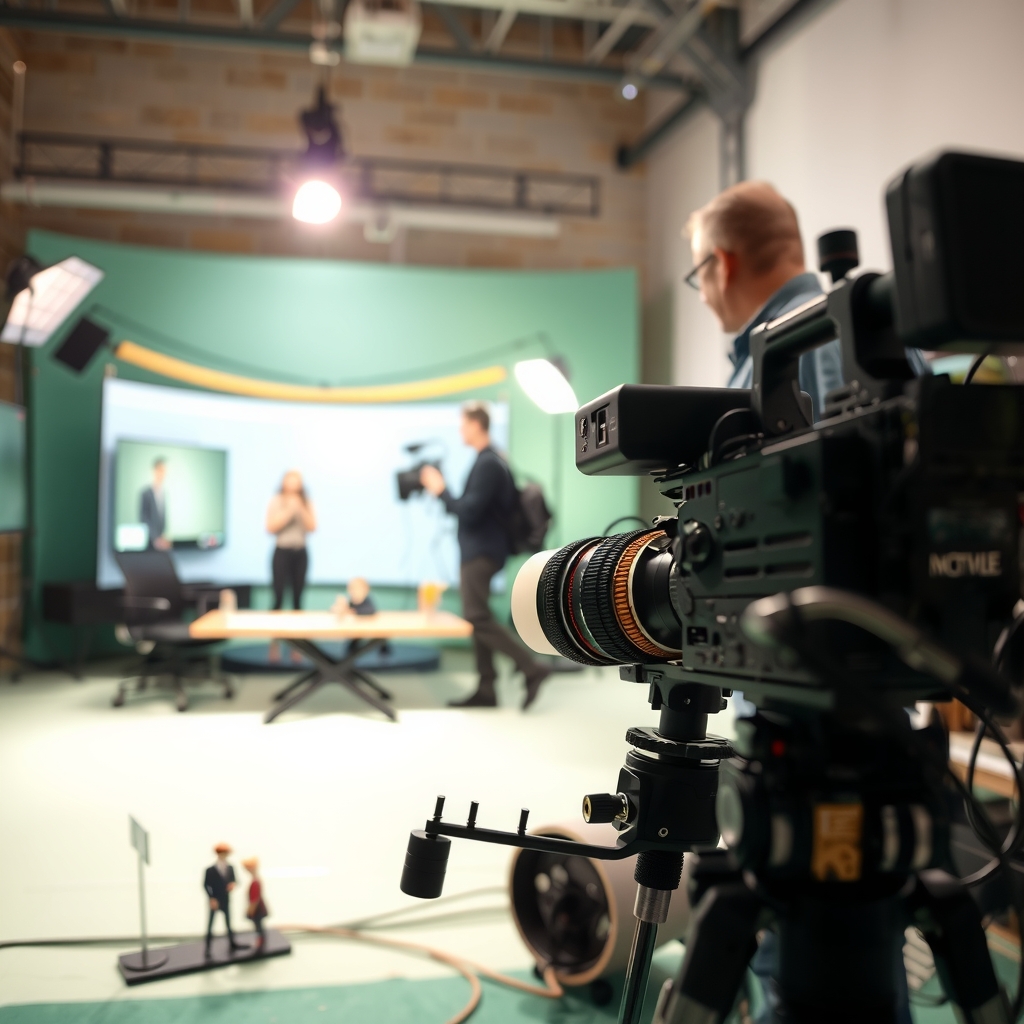
Netflix has launched “Find the Thing You Never Knew You Needed,” a campaign positioning its streaming service as a place to discover unexpected stories. The campaign combines three narrative-led advertisements with a social video series, using analog film and references to titles from Netflix’s programming library.
Launched Nov. 10, the campaign is running in Canada, the United States, Brazil and Spain. Its media plan spans paid social, broadcast, connected TV, digital channels and movie theaters. Netflix developed the work with its in-house Brand Creative Studio and agency Mother.
Three spots built around unlikely viewers
Each of the three advertisements was shot on 35mm film, with the creative using different aspect ratios and genres. The stories feature characters who go to unusual lengths to keep watching a Netflix title, turning their enthusiasm for a program into the central premise of the spot.
In “Axolotl,” filmed in a widescreen format, an axolotl escapes its tank and turns the television back on after its owners leave during a “Bridgerton” marathon. “Dawn” centers on a vampire racing against the rising sun to find a working television so he can watch “Love Is Blind.” In “Hypersleep,” an astronaut who is awake while the rest of his shipmates are in cryosleep wakes one of them to share the “Soda Pop” scene from “KPop Demon Hunters.”
Directors Vania Heymann and Gal Muggia, of production company Iconoclast, directed the spots. Their featured programs can be changed to suit different markets. In Brazil, for example, “Dawn” features the crime drama “Os Donos Do Jogo,” known in English as “Rulers of Fortune.” This localization gives the campaign a way to connect the same creative premise with different selections from Netflix’s catalog.
Social series adds creative perspectives
The companion series “Typecast” features fashion designers, musicians and other professionals discussing Netflix shows and movies they enjoy. Its four episodes are intended to highlight viewing choices that may be less expected given each guest’s professional identity. The videos were shot on 16mm film to complement the broader campaign’s analog production approach.
The series begins with fashion designer Willy Chavarria discussing “Love on the Spectrum.” Other featured guests are musician Teezo Touchdown, makeup artist Isamaya Ffrench and Randy Savvy of the Compton Cowboys. In the United States, “Typecast” is scheduled to run Nov. 10–13 on Netflix’s social channels and its companion site, Tudum.
Alongside the scripted spots, the interviews offer a different way to put Netflix programming in front of audiences: through the personal preferences of recognizable creative professionals. The campaign therefore uses both dramatic stories and guest-led video to show the range of titles available on the service, without relying on a single genre or viewing scenario.
Analog production amid subscription pressure
The campaign arrives as streaming companies compete for attention and consumers reassess the subscriptions they keep. Netflix’s emphasis on a broad library and discovery sits within a wider effort by company executives to communicate value and engagement following price increases. The reported campaign also reflects a recent advertising interest in visibly crafted production, including stop-motion work from brands such as Levi’s and Prada.
Netflix’s choice of 35mm for the three spots and 16mm for “Typecast” makes the production method part of the campaign’s identity. The work also uses custom-built sets. The approach places the advertisements within a broader creative conversation about human-made craft, though the campaign’s stated purpose is to present Netflix as a destination for finding stories viewers may not have known they wanted.
The launch comes alongside business pressures for the company. Netflix reported third-quarter revenue of $12.9 billion, up 12% year over year, according to its earnings release. It also lowered its expected advertising revenue for the year from $3 billion to $2.7 billion, attributing the change to a slower-than-expected rollout of some advertising capabilities. The campaign’s broad channel mix includes advertising environments such as broadcast and connected TV, while its creative focus remains on the programming available to subscribers.