Beyond Familiarity: How Leading Brands Cultivate Credibility Through Action

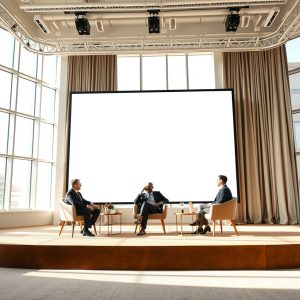
In an era where consumer skepticism is at an all-time high, the gap between brand awareness and active consideration has never been wider. At Advertising Week New York, marketing leaders from The Hershey Company, e.l.f. Beauty, and LinkedIn gathered to discuss a critical shift in modern branding: the transition from passive recognition to earned credibility. The consensus among these industry veterans is that trust is no longer a byproduct of frequency, but a direct result of tangible action and authentic contribution.
Value-First Engagement
For many legacy brands, the primary struggle is moving beyond mere household name status. Stacy Tappitt, Chief Growth and Marketing Officer at The Hershey Company, noted that being a beloved brand does not automatically equate to being a consumer’s first choice. To bridge this divide, brands must demonstrate their utility before soliciting loyalty. LinkedIn has operationalized this by pivoting its marketing focus toward providing actionable research. By leveraging its economic graph to track hiring and skills trends, the platform delivers genuine value to its members and policymakers, effectively showing its worth rather than simply telling users why it matters.
This philosophy extends to how brands frame their narratives. LinkedIn has moved away from the traditional, linear success story, instead highlighting the non-linear, often “zigzagged” career paths of professionals. This shift resonates more deeply with a modern workforce navigating a volatile economy, reinforcing the brand’s role as a partner in professional growth rather than just a networking tool.
Operationalizing Values and Partnerships
Credibility is also a function of internal integrity. Lori Lamb, Chief Brand Officer at e.l.f. Beauty, emphasized that brand values must be reflected in day-to-day operations. Through a “zero distance” corporate culture, e.l.f. ensures that employees at all levels are connected to decision-making processes, preventing a disconnect between corporate messaging and actual company behavior.
Strategic partnerships serve as another vehicle for validating brand relevance, provided they offer mutual, additive value. Tappitt highlighted Hershey’s collaborative efforts, such as Reese’s teaming up with brands like Nitro Bar, to tap into new consumer occasions and reach younger demographics. Similarly, e.g.f. Beauty focuses on collaborations that offer a distinctive contribution rather than generic co-branding, ensuring each partner brings something unique to the table that enhances the final consumer experience.
Shaping Culture, Not Chasing Trends
Perhaps the most significant challenge for modern marketers is determining when and how to engage with cultural conversations. The panel cautioned against the reflex to jump into every trending topic, urging marketers to first identify what they can uniquely add to the discourse. Lamb noted that e.l.f. Beauty prioritizes shaping narratives over merely reacting to them, ensuring that their brand purpose remains anchored in action rather than platitudes.
Ultimately, when mistakes occur, transparency remains the best policy. Tappitt emphasized that the ability to acknowledge errors, make them right, and maintain transparency is essential for long-term brand health. By focusing on visible, value-driven actions, marketers can ensure that their brands remain not just familiar, but essential to their target audiences.